
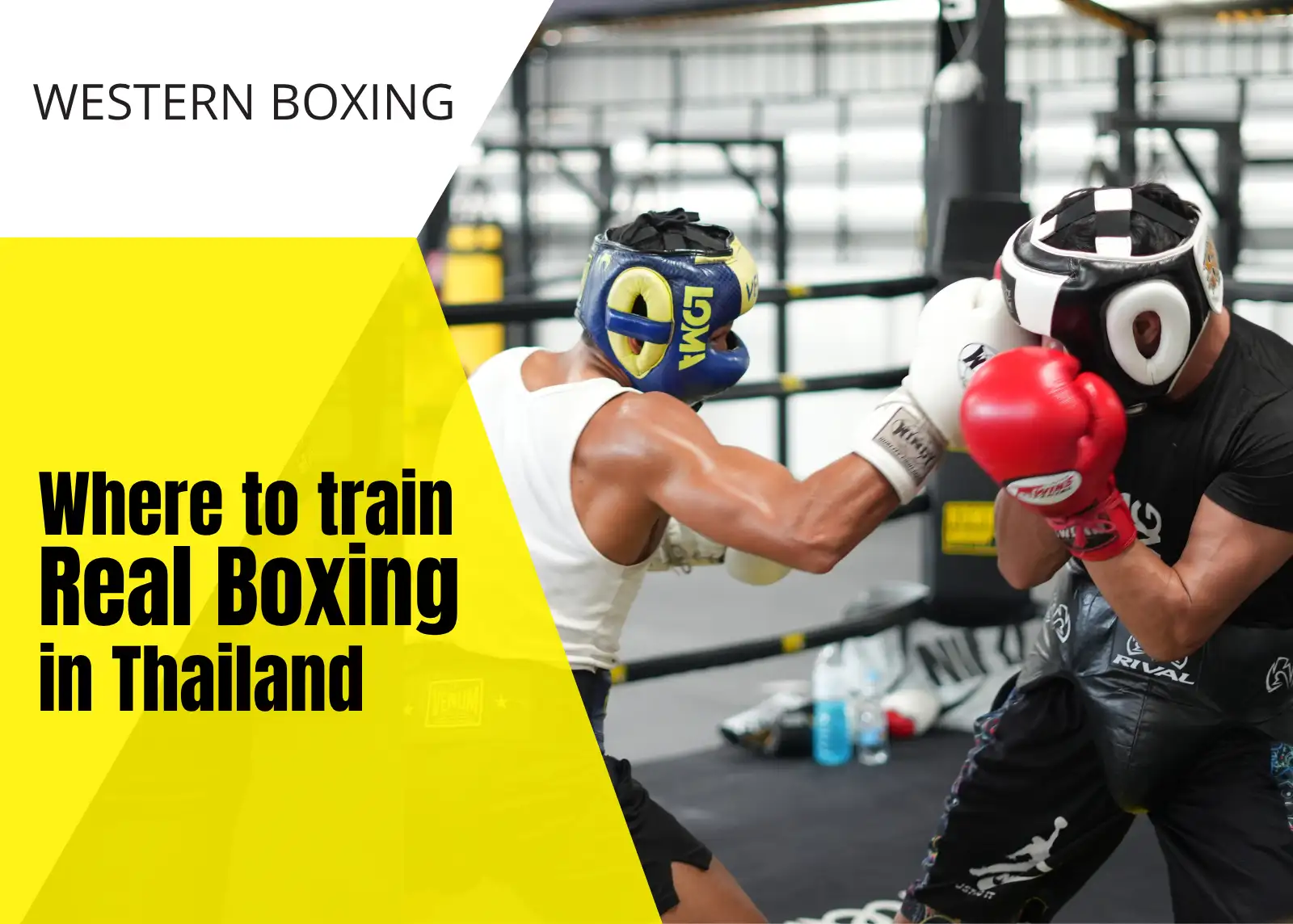
Yes, you can train proper Western Boxing in Thailand. You’ll find boxing programs in Bangkok, Pattaya, Phuket and Chiang Mai, as well as smaller gyms in other parts of the country.
The main options are dedicated boxing gyms, multi-discipline fight gyms with separate Western Boxing classes, and residential training camps where you can combine boxing with accommodation and meals.
But finding genuine Western Boxing training isn’t quite as straightforward as finding Muay Thai in Thailand.
Key Takeaways
- You can train real Western Boxing in Thailand, with dedicated programs available in Bangkok, Pattaya, Phuket and Chiang Mai.
- Not every Muay Thai gym offers proper Western Boxing. Look for separate boxing classes, experienced coaches and structured training focused on technique, footwork and defence.
- Choose the right training environment. Dedicated boxing gyms, multi-discipline facilities and residential camps offer different experiences depending on your goals.
- Residential boxing camps offer convenience, combining training, accommodation and meals in one location. They’re particularly suitable for international visitors and solo travellers.
- Beginners are welcome, but good coaching, appropriate training partners and properly supervised sparring are essential.
- Consider the total cost of your trip, not just the training fees. A structured stay of two to four weeks can give you more time to develop technique and build a consistent routine.
In this article
- Western Boxing vs Muay Thai: Why the Difference Matters
- How Can You Tell If a Gym Offers Real Western Boxing?
- Where Are the Best Areas in Thailand for Western Boxing Training?
- Dedicated Boxing Gyms or Multi-Discipline Training Camps?
- Are There Western Boxing Camps in Thailand With Accommodation and Meals?
- Can Complete Beginners Join a Western Boxing Camp in Thailand?
- Group Classes, Private Lessons and Sparring: What Should You Choose?
- How Much Does Western Boxing Training Cost in Thailand?
- How Long Should You Stay in Thailand for Western Boxing?
- What Should You Look for in Boxing Gym Reviews?
- Frequently Asked Questions About Western Boxing in Thailand
Search for boxing gyms in Thailand and you’ll quickly notice how many results lead to Muay Thai camps. That’s hardly surprising. Thailand is the home of Muay Thai, and the sport is deeply connected to the country’s fighting culture.
Western Boxing has its own history here, though. Thailand has produced world-class professional boxers, and experienced boxing coaches can be found throughout the country.
The challenge is knowing what kind of training you’re actually getting.
If you want to improve your jab, footwork, head movement, defence and overall boxing technique, a few rounds of punching Muay Thai pads might not be what you’re looking for.
So, where should you go? And how do you recognise a proper Western Boxing gym?
Western Boxing vs Muay Thai: Why the Difference Matters
Western Boxing and Muay Thai both involve punching, but their training methods and fighting techniques are different.
In Western Boxing, you use your fists. That’s it. No kicks, knees, elbows or clinch strikes. It sounds simpler, but having fewer weapons means spending considerably more time developing the skills that make those punches effective.
A proper Western Boxing program should focus on:
- Footwork and positioning: moving efficiently, maintaining balance and creating angles.
- Punching technique: developing your jab, cross, hooks and uppercuts with proper mechanics.
- Defence: learning to block, slip, roll and avoid punches.
- Distance and timing: understanding when to attack, when to move and how to control the space between you and your opponent.
- Combinations and counterpunching: linking punches naturally and responding intelligently to an opponent’s movements.
- Ring awareness: learning how to move, defend and position yourself inside a boxing ring.
Muay Thai athletes work on several of these skills too, but the stance, movement and defensive decisions aren’t always the same.
For example, the deeper slips and head movement commonly used in Western Boxing can expose a Muay Thai fighter to knees or kicks. Weight distribution may also change because a Muay Thai fighter needs to defend low kicks.
Neither approach is better. They’re designed for different rules, and if you’re specifically interested in Western Boxing, you deserve to learn the techniques of that sport.
How Can You Tell If a Gym Offers Real Western Boxing?
A gym can have excellent trainers, great equipment and hundreds of positive reviews without necessarily having a dedicated Western Boxing program. So don’t rely on the gym’s reputation alone. Here’s what to check.
1. Look for dedicated Western Boxing classes
Start by checking whether the gym offers Western Boxing separately from Muay Thai, with regular classes and a structured program for different experience levels.
An occasional boxing session may be fine for a workout, but if you’re travelling to Thailand specifically to improve your boxing, consistency matters.
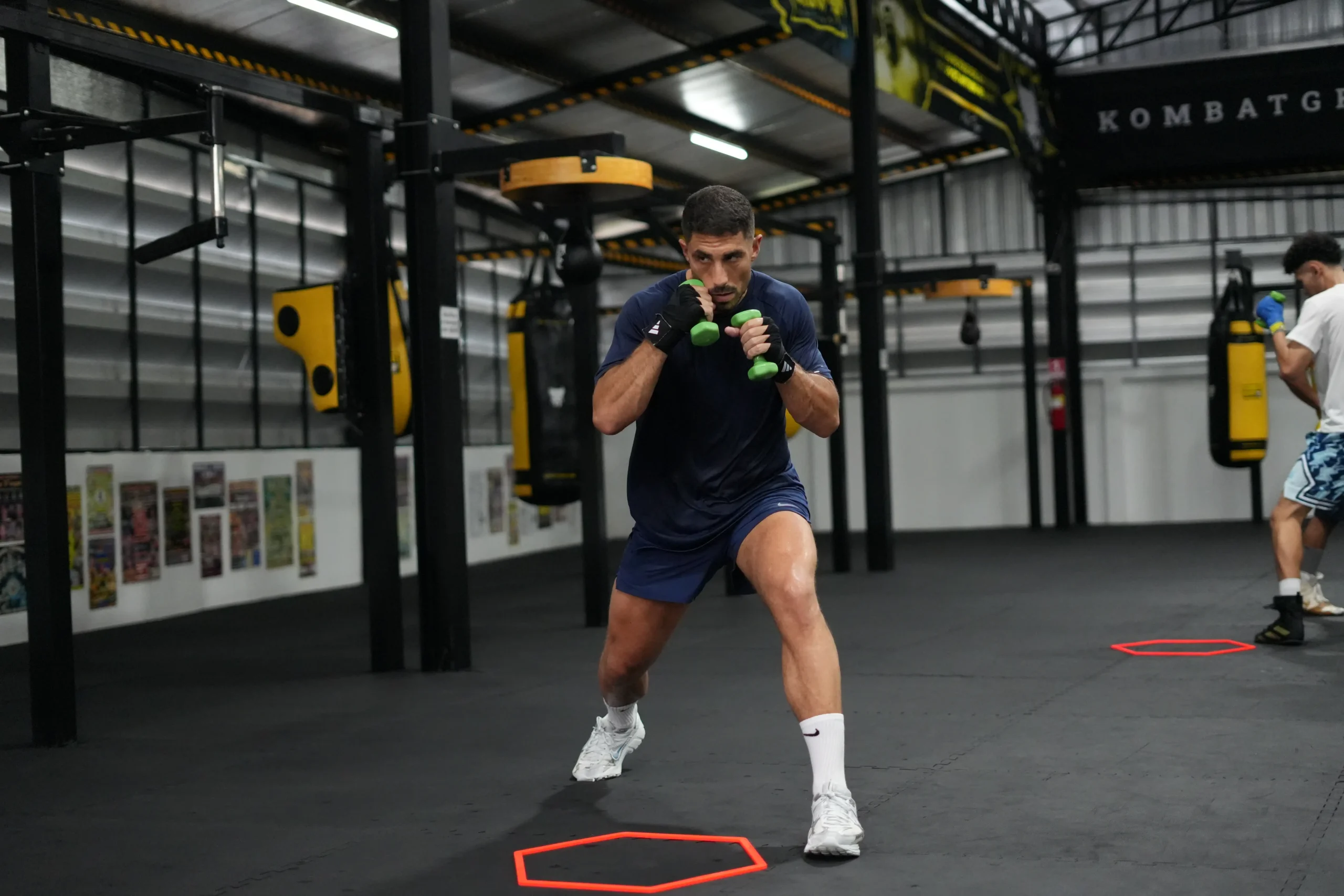
At Kombat Group, for example, Western Boxing has its own dedicated training schedule, experienced Filipino boxing coaches and a fully equipped boxing gym separate from the Muay Thai gym, both located within the same resort.
2. Check the coaches’ boxing experience
A great Muay Thai trainer isn’t automatically a specialist Western Boxing coach.
The two disciplines share skills, and many experienced trainers have knowledge of both. Still, if your goal is to develop as a boxer, ask about the coach’s experience teaching or competing in Western Boxing.
You don’t necessarily need a former world champion: a patient, knowledgeable coach who understands technique and knows how to teach it can be far more valuable to a beginner than an impressive fight record.
3. Find out what actually happens in class
Does the training include technical drills, footwork, defensive movements and individual corrections? Or does every session consist mainly of hitting pads until you’re exhausted?
Don’t get me wrong. Pad work is a big part of boxing training, and conditioning matters, but getting tired and getting technically better aren’t exactly the same thing.
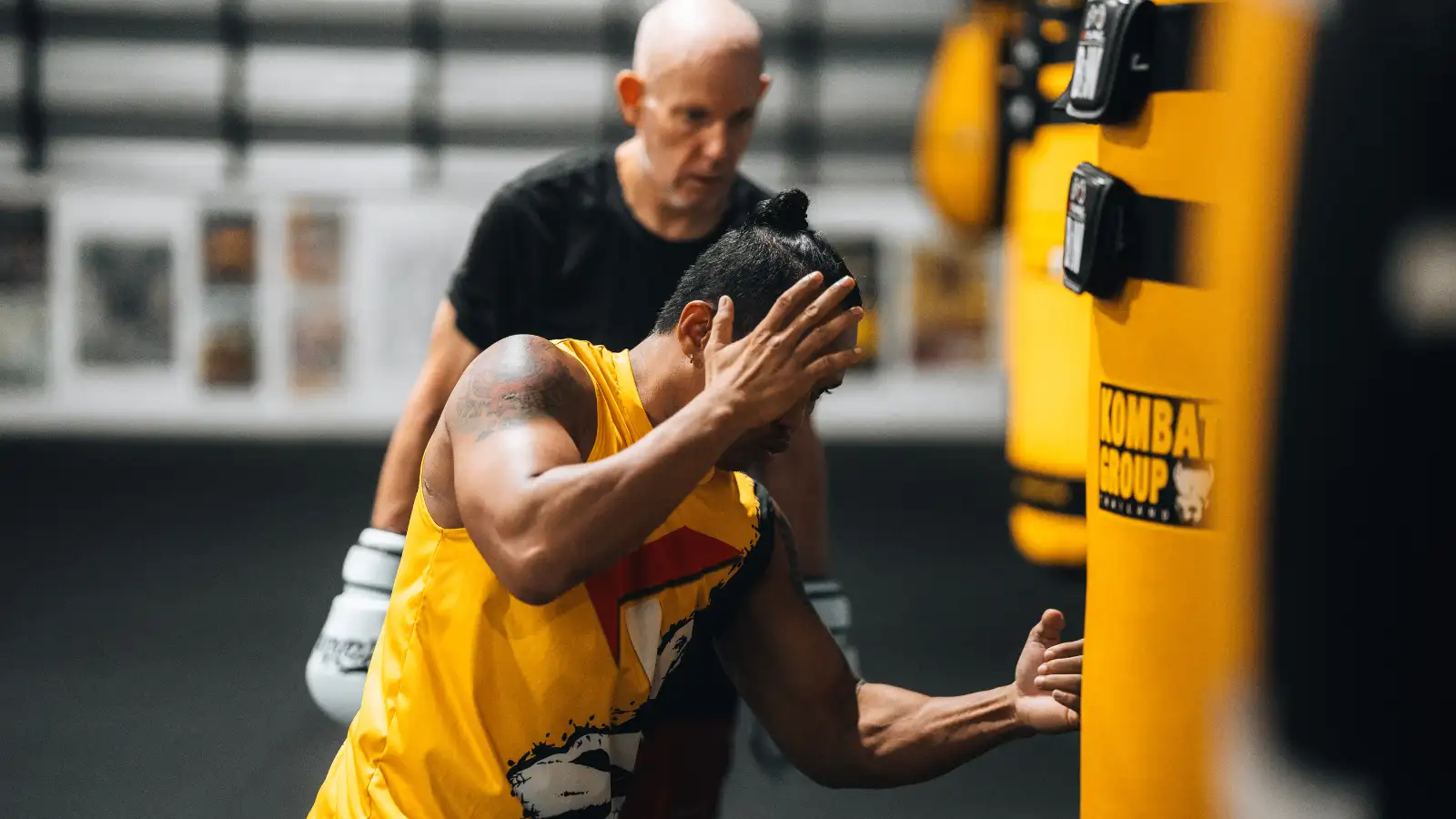
A good boxing coach should notice when you’re crossing your feet, dropping your guard or losing your balance after a combination. More importantly, they should explain how to correct those mistakes.
Good boxing coaching teaches you why a movement works, not simply how to punch harder.
4. Ask how the gym manages different experience levels
The number of trainers matters, especially when beginners and experienced boxers attend the same facility. Ask whether coaches can provide individual corrections during group classes and how training partners are matched.
A well-organised gym should also have clear procedures for supervising partner drills and sparring. Beginners shouldn’t be left to work with much more experienced fighters without appropriate guidance.
You should feel comfortable asking these questions before booking.
Where Are the Best Areas in Thailand for Western Boxing Training?
There isn’t one perfect location for everyone.
The best area depends on whether you’re coming for a few classes during a holiday, planning an intensive training camp or looking to spend a few months developing your skills. Here’s how the main destinations compare.
| Destination | Training Environment | Best Suited For |
|---|---|---|
| Bangkok | Urban gyms, specialist coaches and technical training options | People who want boxing alongside city life |
| Pattaya | Dedicated Western Boxing facilities and residential training resorts offering structured programs, accommodation and meals | International visitors seeking an immersive boxing experience, from beginners to experienced boxers |
| Phuket | International fight camps and multi-discipline training facilities | Travellers combining boxing with fitness and beach holidays |
| Chiang Mai | Smaller training environments and a relaxed lifestyle | Long-stay visitors and recreational boxers |
| Other Thai cities | Local boxing clubs and individual coaches, with fewer internationally marketed options | Independent travellers comfortable researching locally |
Western Boxing in Bangkok
Bangkok is a sensible starting point if you’re looking for specialist boxing instruction. As Thailand’s largest city, it offers access to different types of training facilities, from local boxing clubs to modern gyms catering to international students.
You may find technical classes, private sessions and opportunities to train with experienced boxers. The main consideration is logistics.
Bangkok is enormous, and traffic can make a supposedly short journey surprisingly long. If you intend to train twice a day, staying close to your chosen gym can make a big difference.
Bangkok is particularly suitable if you want to combine Western Boxing training with city life, work remotely or arrange your own accommodation.
Western Boxing in Pattaya
Pattaya is a great option for people who want to make training the main purpose of their trip.
Located around 90 minutes from Bangkok’s main international airport, depending on traffic, it’s easily accessible and offers an alternative to staying in the capital.
The presence of residential training camps makes Pattaya particularly interesting for international visitors planning an intensive boxing holiday.
And when you’re not training, the area offers beaches, restaurants, shopping and plenty of activities.
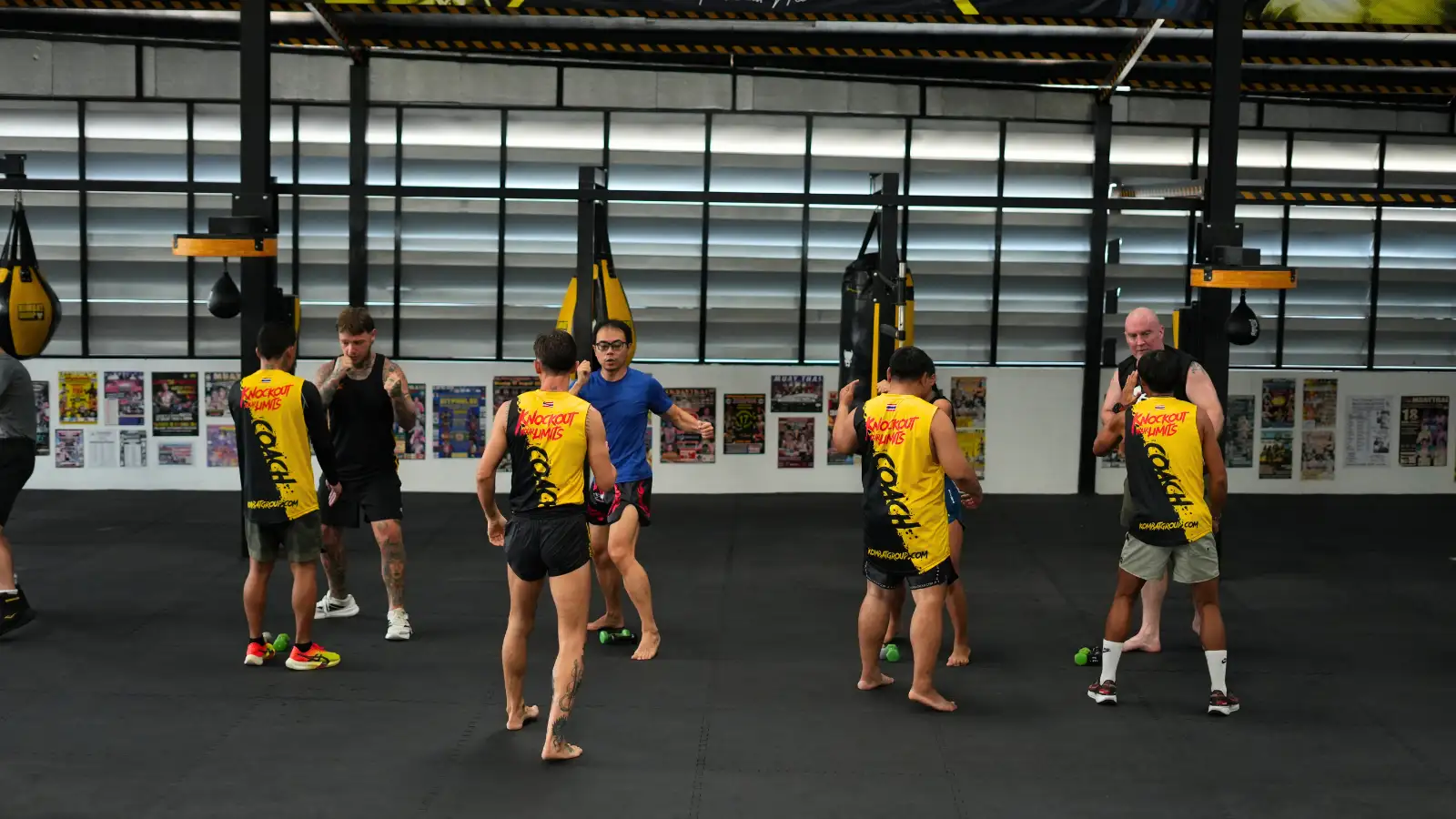
At Kombat Group Thailand, located in Huai Yai in the southern Pattaya area, students can attend morning and afternoon Western Boxing sessions, with optional private coaching and scheduled sparring.
With Saturday afternoons and Sundays free from scheduled boxing classes, there’s also time to explore Pattaya, visit nearby attractions or simply relax.
For someone visiting Thailand for the first time, having a structured training routine while still being able to enjoy the destination can be an appealing balance.
Western Boxing in Phuket
Phuket is well known for its international combat-sports training scene. Many facilities offer several disciplines under one roof, making the island attractive if you want to combine boxing with strength training, conditioning or other martial arts.
Western Boxing is available, although not every fight camp offers a separate boxing program. Check the timetable carefully before booking.
Phuket is also popular with travellers who want to spend their free time at the beach.
One practical consideration is the distance between your gym and accommodation. If they’re in different areas, daily transport can become both time-consuming and expensive.
Western Boxing in Chiang Mai
Chiang Mai attracts travellers who prefer a more relaxed environment, including people staying for several weeks or months.
You can find Western Boxing instruction here, although the overall combat-sports market is smaller than in Thailand’s larger international training destinations. Smaller gyms may appeal to recreational boxers who prefer a quieter atmosphere and more personal attention.
For longer stays, Chiang Mai also offers independent accommodation options. Just make sure the gym’s Western Boxing timetable matches your goals, particularly if you want to train more than once a day.
Can You Train Western Boxing Outside the Major Tourist Areas?
Yes. Western Boxing exists beyond Thailand’s main tourist destinations, and some experienced Thai boxing coaches work in areas that receive relatively few international visitors. The difficulty is finding reliable information.
Some local gyms don’t have English-language websites, online booking systems or clearly published schedules. Others focus mainly on competitive athletes rather than international recreational students.
If you’re comfortable travelling independently and communicating directly with local coaches, these gyms may be worth investigating.
For your first boxing trip to Thailand, though, a gym accustomed to international visitors will generally be easier to organise.
Dedicated Boxing Gyms or Multi-Discipline Training Camps?
This is another decision worth thinking about: a dedicated Western Boxing gym focuses entirely on boxing. Depending on the facility, you may find experienced amateur or professional athletes, specialist coaches and a strong emphasis on the technical side of the sport. That’s appealing if you’re preparing for competition or have very specific boxing goals.
A multi-discipline camp can offer something different: you may have access to Western Boxing classes alongside strength training, mobility work, functional fitness and recovery facilities, and you don’t necessarily have to train in every discipline.
Someone staying at a martial arts resort can choose to concentrate exclusively on Western Boxing throughout their stay, even when other sports are available.
The important thing is that the boxing program stands on its own. You shouldn’t have to join Muay Thai classes simply because the gym doesn’t provide enough boxing sessions.
Are There Western Boxing Camps in Thailand With Accommodation and Meals?
Yes, although finding a residential camp with a dedicated Western Boxing program can be more challenging than finding a Muay Thai camp.
Many boxing gyms offer training-only options, meaning you’ll need to arrange your accommodation, meals and daily transport separately. This works well if you’re already living in Thailand or prefer to organise your own stay.
But if you’re planning a boxing holiday, an all-inclusive residential camp can be a more convenient option, especially if you’re coming for several weeks.
You’ll have a training routine to follow, meals available between sessions and somewhere comfortable to recover without travelling back and forth to the gym.
And there’s another benefit that’s easy to overlook: the community.
Staying alongside people from different countries who share similar goals creates opportunities to spend time together outside training. For solo travellers in particular, that can make the experience more enjoyable.
Instead of fitting boxing classes around your holiday, you can build your holiday around boxing.
Western Boxing at Kombat Group Thailand
At Kombat Group Thailand, Western Boxing is a dedicated discipline within a residential martial arts and fitness resort. The current boxing schedule includes:
- Morning training from 9:00 to 10:00, Monday to Saturday.
- Afternoon training from 17:00 to 19:00, Monday to Friday.
- Optional boxing sparring on Tuesdays and Thursdays.
- Private Western Boxing lessons available separately.
Students train in a dedicated boxing gym with experienced Filipino coaches, working on technique, combinations, footwork, defence and conditioning.
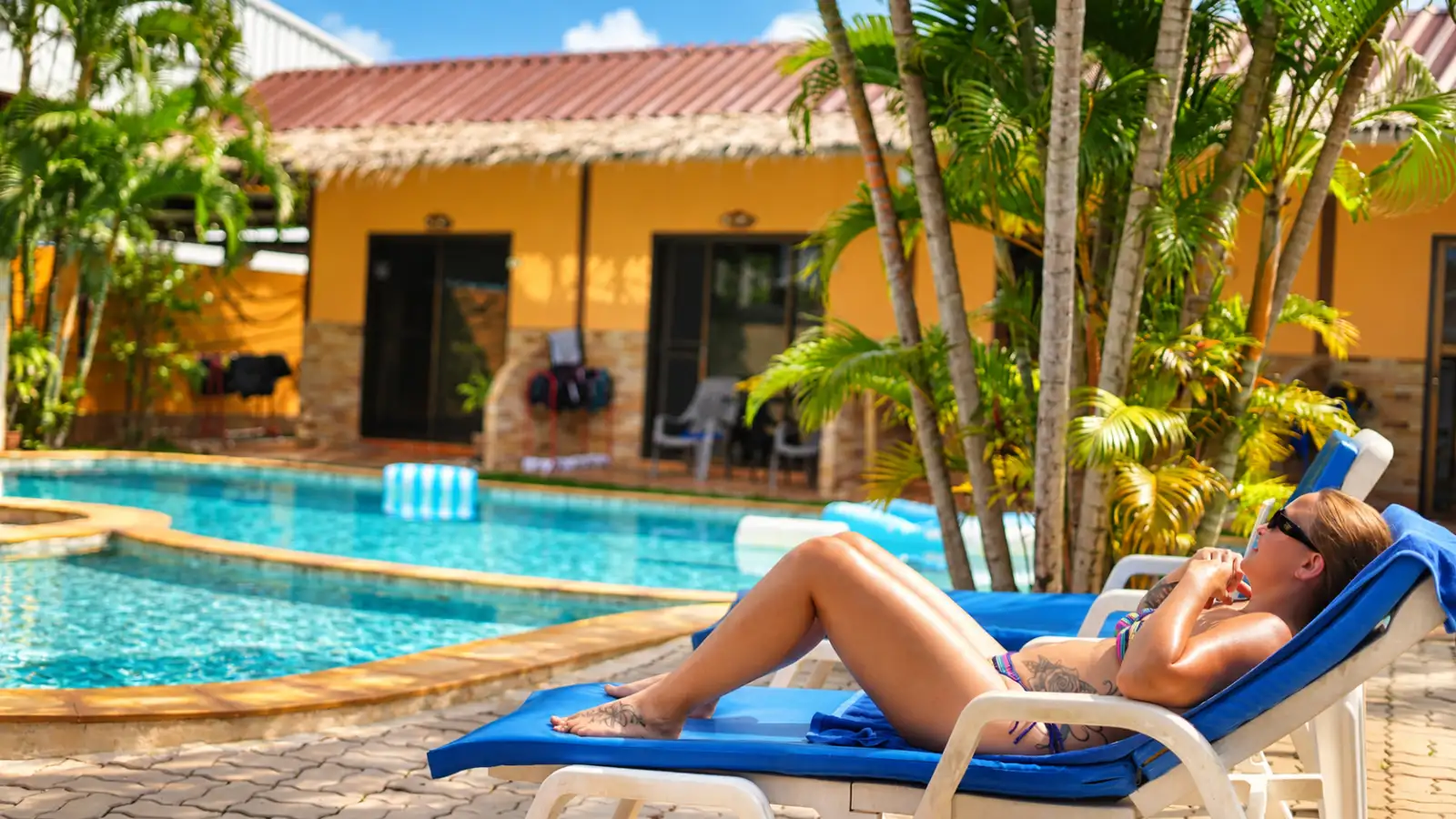
Residential packages include onsite accommodation, three meals per day and access to the gym and resort facilities.
The setup allows guests to concentrate on training while having the practical side of their stay organised.
What do guests who came specifically for Western Boxing say?
One useful example is George, a guest from London who stayed at Kombat Group for two months.
Before coming to Kombat, he had tried another training camp but wanted somewhere with a stronger Western Boxing focus. During his stay, he trained with different boxing coaches, gained sparring experience and enjoyed being able to concentrate on boxing while living at the resort.
His experience also highlights something that matters to beginners: initially, he wasn’t sure whether he would be experienced enough for a camp with accomplished boxers. He found that students of different abilities could train in the same environment.
You can read George’s full Western Boxing training experience.
Another guest, Amber from England, originally booked just one week of Western Boxing.
She enjoyed the training and atmosphere so much that she extended her stay to three weeks. With very little previous boxing experience, she particularly appreciated the coaches’ encouragement and the ability to learn alongside more experienced students without feeling intimidated.
Read Amber’s three-week boxing experience in Thailand.
These are individual experiences rather than guarantees of results, but they give prospective visitors a better idea of what training and living at a residential boxing camp can actually feel like.
Can Complete Beginners Join a Western Boxing Camp in Thailand?
Absolutely. You don’t need to know how to throw a punch before arriving, and you certainly don’t need to be preparing for a fight.
In fact, beginners often have one advantage: they haven’t spent years developing habits that a coach needs to correct.
You’ll usually start with the basics: how to stand, how to keep your balance, to move your feet without crossing them and how to throw a straight punch without losing your position.
It might look simple when an experienced boxer does it, then you try it yourself and suddenly, coordinating your hands, feet, breathing and balance takes a lot more concentration than expected. That’s normal.
A good beginner program introduces these movements progressively, giving you time to understand and practise them before adding more complex drills.
Learning alongside experienced and professional boxers
Training in an environment where experienced fighters and professional boxers are also present can be incredibly motivating.
You see their discipline, watch how they approach technical drills and begin to understand how much attention they give to movements that initially seem basic.
Sometimes you learn simply by watching, and you don’t need to train at their level to benefit from being around them.
However, sharing a training environment doesn’t mean everyone should follow the same program: a well-organised boxing camp should have enough coaches to provide appropriate attention and, where professional fighters train, dedicated sessions suited to their needs.
Partner drills and sparring require particular care. Beginners shouldn’t be thrown into sparring with experienced fighters or left to figure things out on their own. Coaches should match training partners appropriately, supervise the activity and adjust the intensity to each student’s ability.
Being surrounded by good boxers can inspire you to improve. Having the right coaching helps you develop at your own pace.
Group Classes, Private Lessons and Sparring: What Should You Choose?
Ideally, your gym should offer enough flexibility for you to train according to your own goals.
Group boxing classes
Group sessions are a great starting point for most people. You practise technique, work with different training partners and learn in a social environment.
There’s also something motivating about being surrounded by people who are working hard alongside you. For beginners, group training provides a structured introduction to boxing without requiring private coaching every day.
Private Western Boxing lessons
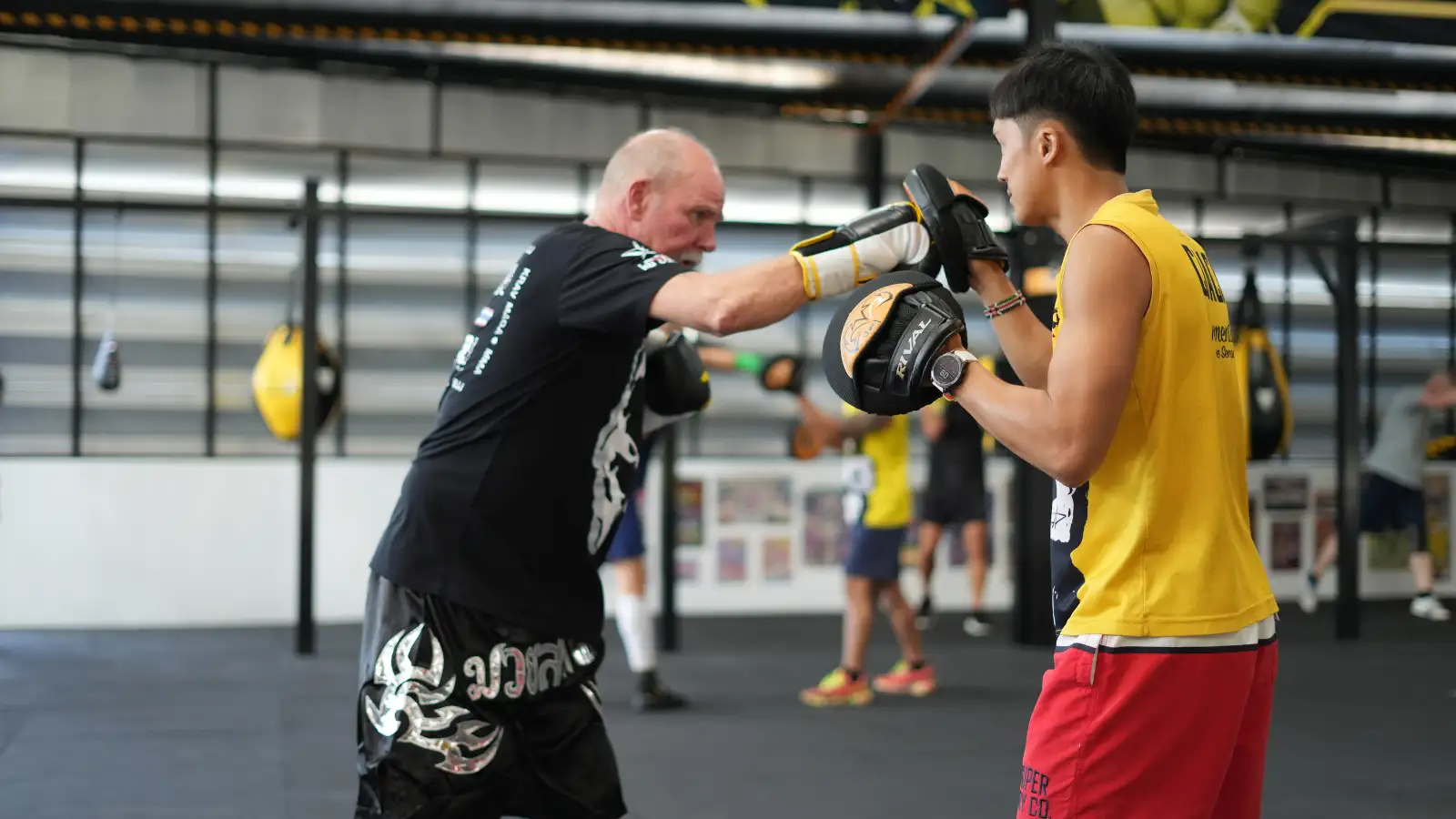
Private lessons give your trainer more time to focus on your individual technique. Maybe you’re struggling with footwork. Perhaps your guard drops every time you throw a combination. Or you want to improve your defensive reactions.
A private session lets the coach concentrate on those details. You can then take what you’ve learned back into your group classes.
For someone staying in Thailand for a short period, combining group sessions with occasional private lessons can be a useful way to make the most of their training.
Boxing sparring
Sparring is where you begin applying your skills against a partner who can respond and move unpredictably.
But it should be introduced at the right time. Technical sparring, controlled partner drills and harder competitive sparring are very different experiences. If you’re a beginner, ask how the gym introduces sparring and whether participation is optional.
If you’re an experienced boxer, ask how frequently sparring takes place and whether suitable partners are available. Don’t assume that every gym advertising sparring will have training partners who match your level, weight and goals.
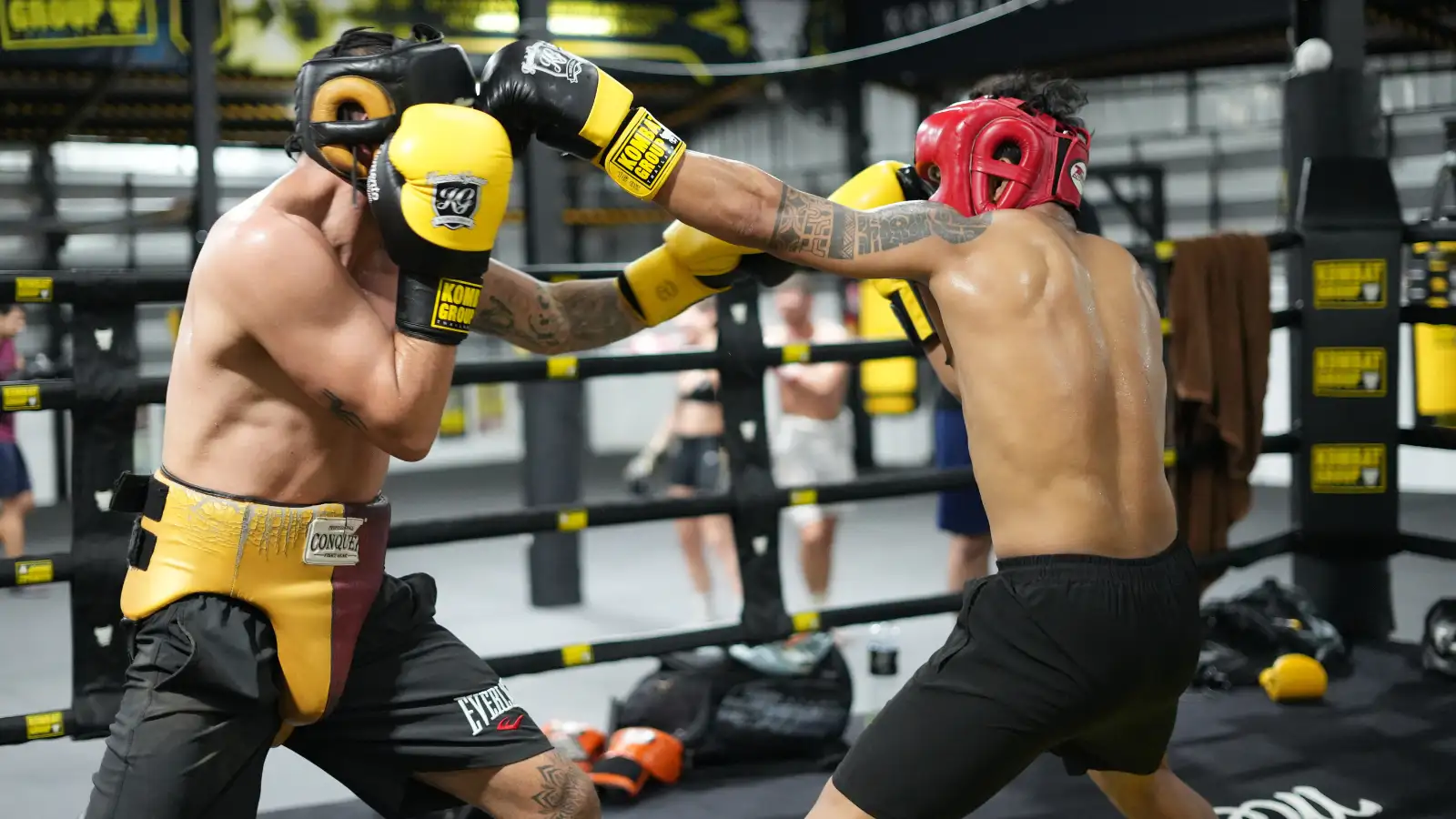
And whatever your experience, proper supervision matters. Sparring should be structured and controlled, not treated as an opportunity to prove how tough you are.
How Much Does Western Boxing Training Cost in Thailand?
Western Boxing prices depend on the gym, its location, the type of training and whether accommodation is included. There are two main ways to budget for your trip.
Training-only gyms
With this option, you pay for boxing classes or private lessons and arrange everything else yourself.
It can be economical if you’re already staying in Thailand or only want to train a few times per week.
For example, Kombat Group offers training-only Western Boxing options in Pattaya, with weekly rates starting from 1,600 THB.
Remember to calculate accommodation, meals, transport and any additional private coaching separately.
Residential boxing camps
Residential packages combine training with accommodation and other services, making the overall cost easier to plan.
At Kombat Group, Western Boxing residential packages start from 12,900 THB per week in a Bronze fan room.
Packages include scheduled group training, onsite accommodation, three meals daily and gym access. Different accommodation categories and packages offer additional benefits, while private coaching and certain services may cost extra.
Always request a complete list of inclusions and any applicable taxes or payment fees before confirming your booking.
When comparing prices, look at the full cost of the stay rather than the gym fee alone. A cheaper membership isn’t necessarily a cheaper boxing holiday once you add a room, meals, taxis and everyday expenses.
How Long Should You Stay in Thailand for Western Boxing?
There’s no single correct answer, it depends on your starting level, how frequently you train, what you’re hoping to achieve and your budget.
One week: A good introduction
If you’ve never trained before, one week can be enough to discover whether you enjoy boxing and get familiar with the basics. Just keep your expectations realistic. You’re not going to become an accomplished boxer in seven days, but you can learn a surprising amount when you’re practising consistently.
Two weeks: More time to settle into the training
With two weeks, you have more opportunities to repeat techniques, build confidence and get comfortable with the daily routine. For many first-time visitors, it’s a good balance between training and enjoying Thailand.
Four weeks: A proper boxing training experience
If you can stay for a month, you’ll have more room to develop a consistent routine. You can practise the same techniques repeatedly, work on individual weaknesses and gradually build your conditioning.
And there’s time to rest. That’s worth mentioning because training twice a day, especially in tropical weather, is physically demanding. More sessions aren’t always better if you’re too exhausted to concentrate on what you’re learning.
Longer stays: Building a routine
Some people come to Thailand for several months specifically to train, and a longer stay gives you time to work progressively on technical goals rather than trying to improve everything at once.
You might concentrate on your jab and footwork first, then defensive movement, timing and more advanced combinations.
For extended stays, check the current Thai immigration requirements and permitted length of stay before booking. Your accommodation package and your permission to remain in Thailand are separate matters.
What Should You Look for in Boxing Gym Reviews?
Guest reviews can be helpful, but read them carefully: a high overall rating doesn’t tell you much about a Western Boxing program if most reviewers attended Muay Thai or fitness classes.
Look for reviews from people who actually trained Western Boxing. Pay attention to comments about coaching quality, technical corrections, class structure and how beginners were treated: did the trainers explain things clearly? Did guests feel comfortable asking questions? Were different skill levels managed appropriately?
If you’re considering a residential camp, look beyond the training too: food, room comfort, cleanliness and the atmosphere outside classes can make a real difference when you’re staying for several weeks.
Video testimonials and detailed guest stories are particularly useful because you can hear people describe their experience in their own words.
And don’t rely entirely on the most enthusiastic review you can find. Look for consistent feedback across different guests, ideally including people with a similar experience level and training goal to yours.
How Do You Book Western Boxing Training in Thailand?
For a few training sessions, booking may be as simple as contacting the gym directly or purchasing a class pass.
For a residential boxing camp, it’s worth planning a little further ahead. Before requesting a quotation, have a few details ready:
- Your preferred arrival date and length of stay.
- Your current boxing experience.
- Whether you want group classes, private coaching or both.
- Your preferred accommodation type.
- Any injuries, health conditions or physical limitations the coaches should know about.
Pay attention to how the gym responds
This is particularly important if you mention an injury or physical limitation.
A reputable training camp should take your concerns seriously, ask follow-up questions when necessary and be honest about whether its program is suitable for you.
Be cautious of places that immediately tell you everyone can join, regardless of their physical condition, without asking for further details. If you have a significant injury or medical condition, a responsible gym may recommend getting clearance from your doctor before confirming your training.
And don’t underestimate the importance of clear communication: the team should explain what’s included in your package, answer your questions about training and accommodation, and make you comfortable discussing any concerns before you commit.
You should feel confident about your decision before you even arrive.
If you’re travelling during Thailand’s busier tourist season, booking accommodation in advance is sensible. And if you’re coming specifically for Western Boxing, confirm the current training schedule before paying a deposit.
There’s nothing more frustrating than arriving for a boxing holiday and discovering that most of the available classes are actually Muay Thai.
Frequently Asked Questions
Looking for a Western Boxing Camp in Thailand?
If you’re planning a trip to Thailand specifically to improve your boxing, choosing the right training environment is worth the research.
At Kombat Group Thailand, you’ll find dedicated Western Boxing facilities, experienced coaches, regular group classes and the option to add private lessons to your program.
And with residential packages, you can have your accommodation and meals organised alongside your training.
Whether you’re a complete beginner or returning to boxing after some time away, our team can help you choose a suitable package based on your experience, goals and preferred dates.
Explore our Western Boxing Camp in Thailand, compare the available options and contact us with the form below to check availability for your stay.